The Hidden Risk That Could Cost Your Business Millions
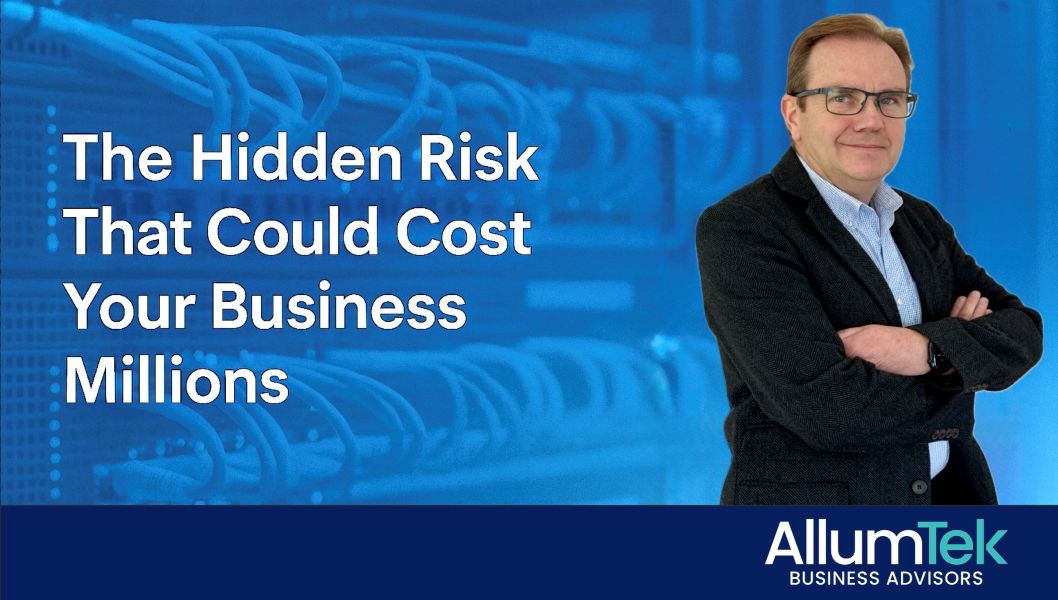
The Hidden Risk That Could Cost Your Business Millions
Why Succession Planning Is a Business Continuity Imperative
Introduction
During my corporate career, I was responsible for ensuring core business services remained available – not just technology, but the processes and people that kept the organisation running and supported clients who depended on us.
Even as an established business, we faced a constant risk: highly experienced staff leaving, retiring, or taking unexpected leave. I recognised this was a serious threat and introduced a multi-faceted succession plan. It wasn’t going to be an overnight fix, but we had to make a start.
Years later, through my business AllumTek Business Advisors Ltd, I see the same risk playing out across industries, large and small, and it’s often underestimated.
Why Businesses Underestimate This Risk
For many organisations, this risk feels invisible because everything is fine – until all of a sudden, it isn’t. Teams often avoid raising the issue with leadership for fear of change or because succession planning sounds complex and disruptive.
The truth is, when this problem hits, it can feel overwhelming – the cost in time, money, and reputation is huge.
What Business Knowledge Really Means
Sure, you might be able to replace the skills, but what about the business knowledge?
- How the product or service is structured and why certain decisions were made
- The undocumented workarounds that keep critical processes running
- The relationships and informal networks that make things happen behind the scenes
- The historical context that explains why “standard” solutions don’t always work
This knowledge isn’t in a manual. It’s in people’s heads, and when they leave, it goes with them.
Real-World Scenarios That Impact Businesses and Staff
Consider these examples:
- A payroll system fails days before salaries are due, leaving employees unpaid
- A compliance report can’t be generated before a regulatory deadline, risking fines and damaging trust
- An e-commerce platform crashes during peak season, and thousands of customers can’t place orders
These aren’t just operational headaches – they directly impact customers and revenue.
Recent Industry Stats & High-Risk Sectors
- 70% of organisations have no formal succession plan for critical roles
- The cost of downtime for mission-critical systems can exceed $300,000 per hour
- Knowledge loss is among the top 3 operational risks cited by CIOs
The sectors most exposed?
- Financial Services
- Insurance
- Government & Public Sector
- Large Retail & Manufacturing
Closing Insight
Succession planning isn’t just about leadership – it’s about keeping your business running. Without it, you risk more than disruption; you risk your reputation, your revenue, and your customers’ trust.
This is not just a technical problem – it affects all areas of the business.
If this risk feels invisible, that’s the problem.
Question for You
How confident are you that your business could handle the sudden loss of its most critical expert tomorrow?
If you want to explore your succession planning options, let’s arrange a FREE Clarity Call.