
Cyberattacks Are Rising – in Frequency, Consequence and Visibility
Cyberattacks Are Rising – in Frequency, Consequence and Visibility
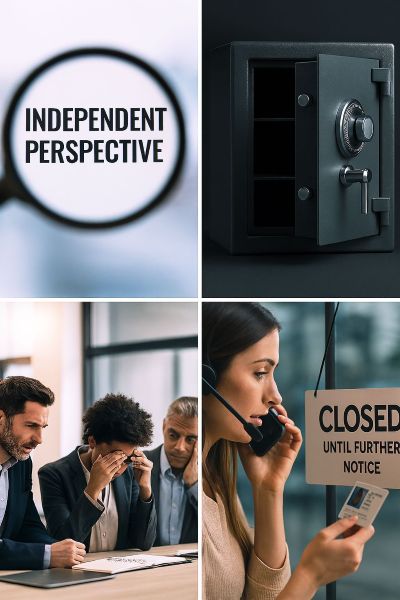
In recent weeks, we’ve seen businesses forced offline, operations halted, and supply chains strained:
- A car manufacturer paused production.
- A major retailer lost its online shopping and delivery service for weeks.
- European airports faced disruption when check-in software was compromised.
- Suppliers and customers felt the ripple – thousands of jobs were put at risk.
These weren’t isolated failures. They were strategic vulnerabilities that rippled outward, eroding trust and exposing the fragility of our interconnected systems.
What’s changed isn’t just the volume of attacks, but their nature.
Cybercrime has become a global industry: streamlined, scalable, and invisible until it strikes. AI is accelerating precision, with identity – based breaches now outpacing traditional malware.
It’s not the tooling – it’s the human element that remains the most exploited: our habits, assumptions, and distractions.
Last year, nearly 80% of attacks didn’t rely on malware.
No alarms. No flashing screens. Just a stolen credential and a quietly compromised system.
As digital ecosystems expand, so does our exposure.
This isn’t just a technical challenge – it’s strategic, cultural, and something we must tackle together.
Boards and leadership teams are being called to respond, not with fear, but with clarity, resilience, and shared responsibility.
Cybersecurity isn’t a department – it’s a mindset embedded across the organisation, from frontline to boardroom.
If your leadership team is navigating this shift, perhaps it’s time to invite an independent perspective – one that brings clarity, challenge, and calm to the conversation.
Sometimes, the clarity we need isn’t found in the data – it’s found in the questions we haven’t asked yet.
In a world of silent breaches and visible consequences, clarity at the top becomes a strategic advantage.